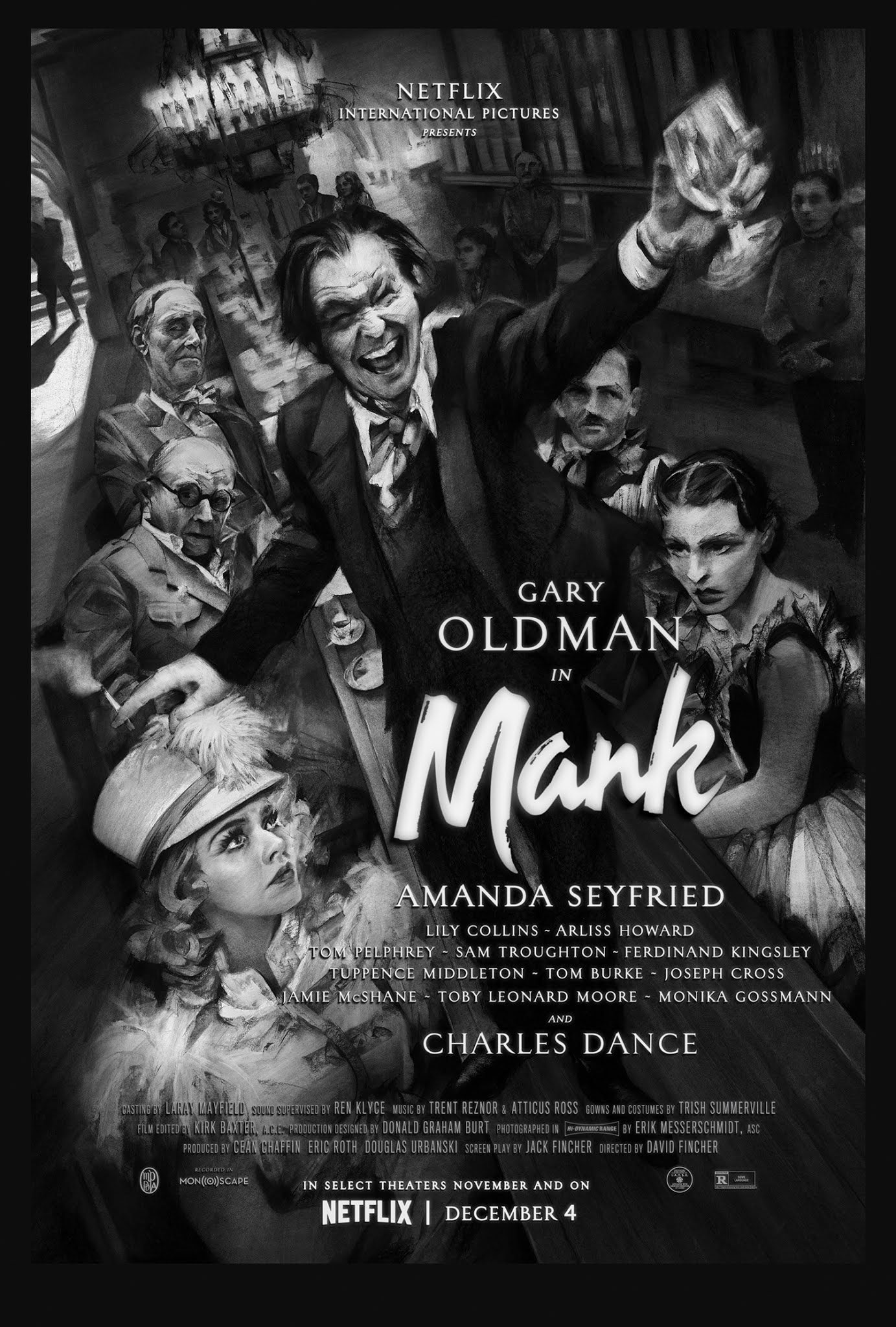
01. John Wick: Chapter 4 (2023): 2/5
Normally I would use the poster of the first film on this thread as the thread's cover picture, but since this film is thoroughly mediocre, I will save that place for another film. I do not understand the raving scores film critics have given this film, nor the incredible hype Redditors have dedicated for this one since before its opening. Were it a simple "video-game" film, I would have given it a good score too, considering the hilariously "beat-being beaten-revive to beat" repeat mode of this film that of course reminds people of "Max Payne" or the top-down perspective of one shooting sequence in Paris that clearly reflects the influence of the top-down shooter genre, especially "Hotline Miami". However, since this film is considered a "neo-noir" action film of the first rate, I would review it as such. This film is all style-over-substance, and in the worst way possible, as the "style" was established with a slick appearance yet giving out a deep sense of shallowness of B- or direct-to-DVD movies, yes, that bad in my opinion. In addition, the style-over-substance nature of this film is also reflected through its way-too-long running time that can easily make the audience tired since the lack of any decent pacing make this film just a very long action sequence without any actual rhythm or necessary "resting time" for the audience to savour the immediate previous action sequence. Thus by the end all the action sequences stay pretty much the same to viewers (except maybe the "Hotline Miami" sequence"), as they were indeed choreographed and filmed in very similar manners. The very, very pretentious dialogues of this film, with foreign words and short sentences injected here and there for absolutely no reason except for maybe making this film sound cheap, especially to the audience of said languages, only makes the matter worse - for example ALL the French dialogues in this film (except for the radio announcer) were spoken by those who DO NOT handle well this language at all, that is just maddening to me! The tiring feeling of this film also comes from the fact that it has NO STAKE at all, since no matter how many adversaries are onscreen or how strong one "appears" to be, John Wick will simply prevail by ... covering his face with his bullet-proof vest (who approved this ugly and super passive style of action for this film????), unlimited magazines, and unbreakable bones despite ALL falling heights. Why modern Hollywood blockbusters are so afraid of stakes I have no idea, as the fact that NO ONE of any significance die in this film (disregarding the very poorly-constructed main villain) really makes it a very unimpactful one in terms of emotion building for the audience. Wick's obvious invincibility might be a selling point in a superhero or over-the-top action film, but this one is all about redemption, about the fallibility of power (I think - especially given the weakling appearance of John Wick, and his ultimate out-of-nowhere death - a hilariously abrupt death at that), yet, the protagonist stays thoroughly unbeatable until the very end, why the writers of this film would think that this is a good idea is beyond me. This dilemma between its theme and John Wick's Superman-like nature was highlighted even more by Keanu Reeves' very disappointing acting. He was just slow, tired, passive from the first until the last minute, even during action sequences (and of course his facial expressions and voice are still as wooden as ever - I have never ever seen Reeves being a decent actor in any film, even at his height during the "Matrix" years). Yes, yes, I understand that Redditors still get crazy by his "authentic" style of manning a gun, but that style really does not matter in this film as he has to use one hand to hold up the bullet-proof vest over his face most of the times (again, an extremely ugly style of action choreography), and Reeves CLEARLY did not act during the demanding action sequences (long-hair cascadeurs must make a lot of money out of this film replacing him) and was also CLEARLY not able to keep up during the action sequences that he showed his face (and thus could not rely on cascadeurs) to the point of making those sequences awkward and boring to look at. Such a disappointing film this one really is, I expected more, much more.
02. Avatar: The Way of Water (2022): 3.5/5
An extremely well-crafted film that actually reflects a lot of the older and more "traditional" films by James Cameron like "Terminator" or "Titanic" (the whole sinking-ship sequence in this film is just "Titanic in Pandora") and thus gives out a surprising sense of nostalgia, especially given the closeness of the story and motifs of this film to the very traditional epic "Dance with Wolves". Despite its rather conventional and "slim" story (I would rather not call this story "simplistic"), the film is still thoroughly entertaining thanks to a level of CGI so high NO contemporary sci-fi could even attempt to achieve (the CGI of the new "Black Panther" looks like a child play in comparison to this one), an amazing quality of cinematography - again, the top-notch underwater cinematography (James Cameron's passion since forever) in this film is simply incomparable to any other film in the market, very well choreographed action sequences, and satisfying character development for the leading cast (the supporting cast is rather underwhelmed, but given the extensive running time for action sequences, something else has to be sacrificed). Still, the film is a little bit too long for my taste (probably due to James Cameron's need to tell his stories and the world he has spent decades to imagine and create) and the "Avatar-form" of the cast, no matter how excellent the CGI is, still creates an emotional gap for the audience and thus somewhat distants these characters from the audience from the relatability point of view (something like "Why should we care for these strange "blue creatures", even though the story itself is VERY relatable). Still, this film totally deserves its box office of more than 2 billions USD - a much better sci-fi than what Marvel and DC could pump out these days.
03. The Flash (2023): 3/5
(Woo, three full months since my last review, it has probably never been this long that I have not watched a full film since forever). An okay superhero film with a very, very questionable second act (mostly due to the hideously bad performance by Ezra Miller as the "alternate" Flash) that is somewhat redeemed by the last act and the heartwarming presence of Michael Keaton, who is easily the best part of this film. I like the visual and action style of this film, which is way more unique and memorable than any Marvel film - especially the more recent ones, but the poorly-made CGI did take part of the fun and immersion away from the watching experience. The way the film handles the time travel paradox and the heavy subject of parental loss is also commendable but would have been much more effective with a better lead (Ezra Miller is not THAT bad, he simply is not capable of such a multi-dimensional (literally and figuratively) character like The Flash and his alternate in this film (probably very few, the kind of Leonardo DiCaprio or Christian Bale, can, maybe, but not Miller). It is also funny that EVEN in the alternate world, the Soviet/Russians (I am not sure Hollywood and Americans in general can distinguish between the two or try to do so) are STILL the bad guys - the propaganda game is still as strong as ever with Hollywood.
04. Guardians of the Galaxy Vol. 3 (2023): 3.5/5
I really like the visual and concept art of this film, especially the biology-inspired tech and vehicles (the space ships in this film look particularly cool) and the various cyberpunk animals that remind me somewhat of "TMNT" in a post-apocalyptic setting. The storyline involving Rocket Racoon is also very emotional, impactful, and effective in making this film different from the rest of the Marvel Cinematic Universe rosters despite the eugenics theme has already been used for countless time before by previous films in this "Universe". There are numerous things that I do not like about this film, though, which made me rate this film lower than it would have been had those issues been fixed. Those include the half-an-hour-too-long running time of this film due to various "fillers" that contribute nothing to the story or character progress, the again-disappointing main villain who in parts is overpowered and other parts illogically under-powered, wayyy too many banters that are corny and wasteful of running time, extreme inconsistency in terms of character behaviors (for example, Drax is KNOWN for his daredevil nature and yet appears to be a coward for multiple occasions throughout this film), and boring action sequences (except for the "hallway" fight scene - that part is very cool). Not a perfect film in any sense, but at least a film that I enjoy (despite the obnoxious banters) - already a rare feat for a Marvel Cinematic Universe member.
05. Spider-Man: Across the Spider-Verse (2023): 4/5
Extremely titillating animated film with probably the most sophisticated visual that I have ever seen (Mamoru Hosoda's Summer Wars comes close, but to a lesser extent). The choreography of the key action sequences is also very, very impressive that can easily beat any live action film by Marvel or DC. Still, I did not enjoy this film as much as its prequel, probably due to its super fast pace that is breathtaking figuratively and literally as it made me tired after watching for awhile. Also, despite its sophisticated look, this film does not have the novelty of blending different styles of drawing and CGI like its prequel, thus it could not amaze the audience like me the way the first film did. Still, an excellent film and I do look forward to its sequel.
06. Mission: Impossible – Dead Reckoning Part One (2023): 3/5
The film is a little bit gimmicky with a script significantly worse than the recent Mission: Impossible films including another disappointing set of villains (even Vanessa Kirby's character, who was so cool in the previous film, is portrayed in a way more comical and forgettable fashion). The action sequences are still good, especially the falling train sequence by the end that reminds me a lot of Uncharted II - what would have been had Sony entrusted Tom Cruise with the adaptation project of Uncharted.... Still, probably due to the undercook script, the action aspect of this film also appears to be disjointed, less impressive, and inconsistently choreographed. I still enjoy the film thoroughly, though, as it is always an honest attempt by Cruise et al. in entertaining people without trying to be pretentious or preachy - a commendable approach that Tom Cruise has followed in this later phase of his career.
07. A Haunting in Venice (2023): 2.5/5
A pretty subpar Agatha Christie adaptation in comparison to the previous two Hercule Poirot films directed by Branagh. Branagh himself is still quite good, but the uninspiring script and especially the wooden acting by the otherwise-competent cast really dampened the mood and the quality of this film. Tina Fey and Kelly Reilly, the latter of whom I have loved for more than two decades since her "L'Auberge Espagnole" day, are particularly bad in this film with amateurish performances that are clearly not up to their true standard. The most memorable thing about this film might be the lovely shots of Venice that Kenneth Branagh was able to manage, to the point of "de-populating" this crowded island-city from the top destination of global tourists down to a peaceful and somewhat desolated post-war Italian city and thus giving me a profound sense of nostalgia similar to the Merchant-Ivory films of the old days, especially when being coupled with the classic and angelic voice of Vera Lynn through her "When the Lights Go On Again".
08. The Killer (2023): 4/5
Is this the best Fincher's film? Probably not. But am I satisfied with this one? Totally. This film is just a pure Fincher flic through and through. From an absolutely stunning and terrifying soundtrack and sound design to the perfect attention to details that only Fincher can achieve, everything about this film helps Fincher's portray of a descent to ... normality of a seemingly superhuman contract killer, played perfectly by Michael Fassbender. Some might find this film devoid of emotions and thus too cool/cold for its own good, but I fully enjoyed this carefully-designed mood of this film, which is very much in line with Fincher's previous thrillers "Gone Girl" and "Mindhunter". I love, love the way Fincher "degraded" his protagonist throughout the film from a meticulous killer "leaving no trace" to an ordinary revengeful guy that leaves fingerprints and CCTV evidences everywhere on his way to the ultimate act of revenge. Of course, the plot and the dialogue of this film could not be compared to Fincher's absolute best - "Seven" in my opinion, but an entertaining one? You cannot find a better one.
09. Full River Red (2023): 3/5
Just like its outrageously mismatched soundtrack, this film feels great, and not-that-great at the same time. For example, I was very moved by the little humanist moments shared between Zhang Da and his brother-in-law Sun Jun or especially the tiny bits of romance between Zhang Da and Zither, but somehow those heartwarming/wrenching moments are just all over the place and just could not create a true emotional impact on the audience. The whodunit theme of this film was also masterfully done by Zhang Yimou (as he often does) but the overtly patriotic tone by the end really undermines such whodunit approach of this film. Still, I enjoy this historical piece thoroughly and can only hope that Zhang can spare some part of his busy schedule making contemporary "patriotic" films for these historical and wuxia projects that I enjoy much, much more.
10. Kingdom III: Flame of Destiny (2023): 4/5
ANOTHER amazing installation of this "Kingdom" series (I gave the previous two 4/5 as well). I cannot believe that the filmmakers were able to maintain the quality of this series, but they did it again, I am so happy! Of course this film possesses a big advantage having a superb original manga script to adapt, but the pacing, the acting, the production values, and the concept arts, all those excellent aspects of this film are totally due to the quality and dedication of the filmmakers and the cast, kudos to them. I cannot wait for the next installation of this series, especially the sure return of Masami Nagasawa's Yang Duan He, who in my opinion is still the coolest character in this series full of cool characters. Her necessary absence in this third film, although not affecting its quality, did make me miss her character and long for her return. Such an enjoyment this film really is.
11. Lesson in Murder (2022): 3/5
Pretty decent Japanese-style murder mystery/criminal mind film. The film itself is quite slow with a final "plot twist"/revelation relatively easy to predict but possesses a very immersive ambience thanks to the nice cinematography (the repeated superimposition of the main protagonist and antagonist during their meetings is interesting and implies a lot, but turns to a little bit jarring by the end due to the lack of variation of this superimposing frame), unique palette of colours that is often used in Japanese ... serious drama/family films à-la-Hirokazu Koreeda, and some surprise sequences of goriness. On the other end, except for the main antagonist/villain, the film has a less-than-optimal cast with unconvincing performance of the leads, thus unfortunately makes this film subpart to similar ones that are adapted from Keigo Higashino's novels and often have superior casts. Still, a very easy film to follow and a nice watch for any fan of the Japanese murder mystery genre (like me).
12. Creation of the Gods I: Kingdom of Storms (2023): 3/5
This film really has amazing CGI scenes that are totally comparable to Hollywood standard. However, like many recent Chinese films, CGI is definitely over-used here despite the fact that the film has little fighting sequences, and thus gives the audience a jarring vibe, especially in the second half. The script of the film is solid enough, as it was adapted from the freaking Fengshen Bang (which I love and is the only reason why I watched this film), with fleshed out characters and easy-to-follow lores and story settings. Aside from the exhilarating opening battle, though, the slow pacing of the film makes this script less effective since the filmmakers spent so much time in building their characters (who are all already very well-established characters in Chinese tradition and literature that probably any Chinese or ones with interest in Chinese culture like me already know to some level) instead of accelerating the films to the way more exciting battles and confrontations. The poor performance across the board did not help on this aspect either. This film just reminds me of Zhang Yimou's Curse of the Golden Flower due to the similar approach of "style over substance" with a lot of exotic settings, golden costumes, and unique Chinese imperial dynamics between characters. But Creation of the Gods fell way behind in terms of acting (its young cast might look handsome and powerful, but their acting is anything but) and production design (which is very inconsistent - great at parts but terribly cheap at others) and therefore becomes much less memorable. At least this film sets a very solid background for the sequels, which would, and must, have many more exciting moments of battles and duels. As a side note, originally I had given this film a 2.5 stars, but the more I thought about it, the more I realized that it did indeed succeed in GIVING the audience a promising launching ground for its sequels, and the (supernatural) character designs are also very impressive disregarding the acting quality of their performers, so a 3 might be a more appropriate score. Nonetheless, I really look forward to the sequels, hopefully they will live up to my own expectation after watching this film.
13. A Man (2022): 4/5
Seemingly a heavy everyday drama at first, this film quickly turns into a strange mystery and yet again into an existential tale of those who try to find themselves while facing prejudices and tragedies in life, and yet again into a story of ironies and twists of fate. Such a strange combination and somehow the film still works thanks to an extremely impressive cast who all performed very well no matter how important their roles are in this film, and also due to the subdued, seemingly ordinary and even illogical at parts yet very effective approach to storytelling by the filmmakers. Thus this film reminds me of "Drive My Car", which coincidentally won the Japan Academy Film Prize for Best Film just the year before this film, and also succeeded in "de-dramatizing" very heavy dramas in a very relatable way to the audience. Of course, one might find this film's telling of major issues in modern Japanese society like prejudice (against children of parents with not-so-great past, or against Zainichi aka. Korean Japanese), unhappy families/parenthood/childhood, or loneliness and loss of oneself, especially in this era of smartphone and social network too "unrealistic" and "stage". But those issues are very true and have already been explored in other Japanese literary or cinematic works and thus this film appears to me to be totally convincing, especially with such excellent acting across the board - no wonder why this film basically swept all acting categories at the 46th Japan Academy Film Prize save for the Best Actress category since this film does not necessarily have one. Simple yet deeply effective and emotional films like this really is the bread and butter of Japanese cinema.
14. Laplace's Witch (2015): 2/5
A shockingly bad adaptation of a Keigo Higashino novel, and it was even more shocking to me when I realized that its director is no one else but the unique Takashi Miike. This film's script and implementation are just all over the place without a clear focus on either character development or "problem solving". Instead Miike spent too much time on nonsensical monologues of both protagonists and antagonists that contribute almost nothing to the story but only make it more incoherent and unimpressive, especially given the very consistent quality of Keigo Higashino's writing. At least the acting is quite good, especially by Suzu Hirose who played the titular Laplace's Witch, but the rest of the cast lack the necessary charisma to the point that I had hard time believe that Sho Sakurai (who played the actual main character of the film - Professor Aoe) is a member of the famed Arashi band.
15. Sleeping Forest (2014): 3.5/5
I did not realize that this film is just a television film instead of a full-scale cinema release. Therefore, even though I really hate its digitally-filmed appearance, I cannot deduce a point from my score for this film due to that television-quality look. As a television film, the acting quality in this film is not that great either, especially during the New York sequence when Hiroshi Abe's English is so poor that it becomes hilarious given a very specific dialogue before this sequence assuring that Detective Kaga, as "an elite", can speak English very well. Still, I like Abe since he simply is the perfect embodiment of Detective Kaga in terms of both appearance and manner, which are very important aspects to an avid fan of Detective Kaga like me (in my opinion Kaga is still the best character created by Keigo Higashino, smart, likeable, and very relatable to the audience). The female cast is also very decent, and above all the story and twist-and-turns are really good, realistic, emotional/sentimental (a typical trait and strong aspect in Higashino's writing), and satisfying. Might not be among the best Keigo Higashino adaptations, but an enjoyable one this one still is.
16. Eat Drink Man Woman (1994): 4.5/5
I do not know why I could not find my review of this film, despite really did see it long time ago, probably almost two decades I think. Still, a second watch with the eyes of a married man with two children is still as fresh as ever, especially with such a refreshing film like this one. Thanks to my wife, who have been craving for "culinary films" after watching "Boudin" that I recommended this film for her and consequently watched it (again) with her. I vaguely remembered that the first time I watched this amazing piece by Ang Lee, it was a delightful experience full of laughs and optimism. This time I still have a lot of fun watching the mouth-watering food being made and the "messy" relationships of the film's characters. But beyond that, I realize much more about the intricate development of those characters, from trying to "fit it" to the "acceptable" recipe of a "normal" life to living at their fullest, cooking the food they want to make, the way they want to eat. Now, being older and with actual experience of forming and building a family of my own, I appreciate even more Ang Lee's masterful stroke in making his characters as normal, as approachable as possible. I can easily find a piece of myself in one character, another piece in others, and still at the same time be able to enjoy the film as it is - a cinematic experience full of "catchy" foods, lovingly characters (I admired Wu Chien-lien for her Anita Mui-like beauty the first time I watched this film, but this time, I adored her even more for her tasteful "office wears", too bad her career was not as long as I expected after such a rapid rise with this film and of course "A Moment of Romance").
17. Tampopo (1985): 2.5/5
This film is way worse than I expected, especially given its high rating and praises from even top critics like Roger Ebert. The foods in this film (the first reason why I watched it with my wife, who had asked me for more "food films" after watching "Eat Drink Man Woman") is good, but other aspects are really not of my liking, from the typical (and terrible) Japanese style of overacting, to the confusing editing that makes this film more like a mosaic of lives and loves for good food instead of a food film with a coherent and focused plot.
18. A Guilty Conscience (2023): 2.5/5
This film won the Hong Kong Film Award for Best Film WITHOUT a single win in any other category, I should have taken that fact as a warning sign about this film. This film really is a big letdown to me as it not only does not live up to its "HKFA winner" hype and to its very interesting pretext (a legal fight between a destitute lawyer and some "old money" evils, and a mystery of whodunit surrounded by layered tragedies involving children, disability, unfaithfulness, and the eternal social class division), but also has very poor acting, writing, and cinematography qualities. Of course it is still watchable, and pretty entertaining at that - especially with the "drinking water while bleeding" twist at the end, but nonetheless feels very, very emotionally manipulative from the beginning (when the said destitute lawyer was a utterly despicable legal guy with nothing but money in his eyes) through the transition (when he suddenly turned righteous overnight - literally and figuratively) and until the end (when he finally and predictably transformed into a hero of the poor and a sly and respectful figure in court) without any smooth and convincing character development, whereas the rest of the cast - his supporting cast remained exactly the same as they were from throughout the two-hour film. Talking about the cast, my heart broke a little bit watching the poor performance of the entire cast, from the lead actor to every single supporting ones - the kind of performance that is very suitable for the traditional Hong Kong legal series that I once loved very much, but not subtle enough for a competent cinema release, especially given the long pedigree of superior performers in Hong Kong like Tony Leung Chiu-wai, the "Four Heavenly Kings", or the many leading ladies that Hong Kong cinema once had. Nothing represents this lack of acting quality in this film better than the annoying appearance of Michael Wong with his annoying "style" of switching back and forth between Cantonese and English for obviously no reason - I hated it then and I hate it even more now. My heart broke since I felt again, why watching this film, that maybe Hong Kong cinema will never be able to recover, to return to its height when even this poorly-made film could win an award that was once only reserved to the very best like "Chungking Express" or "Comrades: Almost a Love Story". Such a letdown, such a letdown.
19. Galileo: The Forbidden Magic (2022): 2.5/5
I should have expected less from this film given the fact that it is "just" a television film made as a spinoff of the "Galileo" TV series rather than a full-fledged wide release like "Suspect X" or the more recent and still memorable "Silent Parade". The "railgun" idea in this film (and seemingly in the novel - I have not been able to read this one yet since there is still no English or French translations for this novel - Keigo Higashino has written so many books and so quickly that Western translators seem to have a hard time keeping up with him) is a good one, but the rest is pretty derivative - another cautionary tale of how science can still turn evil even by "pure" scientific minds - just like "Suspect X", another story about the struggle between economic progress and environmental conservation - just like "A Midsummer's Equation", and another "revenge story" - just like "Silent Parade" (maybe this is one of the reasons why this is the only book of the "Galileo series" that has not been translated into English or French yet - it is too derivative by Keigo Higashino's standard. The acting and the production value are nothing to go home either, since again, they are "just" of made-for-TV quality. All in all, a pretty forgettable screen adaptation even for an avid fan of Keigo Higashino like myself.
20. G@me (2003): 3/5
A pretty standard adaptation of Keigo Higashino's "The Name of the Game is Kidnapping" with a surprising new ending that does not alter but actually serves as a continuation of the book's ending. This ending is a very good addition to this rather bland and poorly-acted film, though, as it provides a new layer of twist-and-turn, as well as some much-needed emotional and moral fulfillment for the film that Higashino himself did not have for the book. Too bad the rest of this adaptation really does not stand out at all since this film's quality is closer to a made-for-television one instead of a true cinematic release.
21. Godzilla Minus One (2023): 3.5/5
"This country has treated life far too cheaply - poorly armored tanks, bad supply lines that resulted in that half of all deaths were due to hunger and disease, fighter planes built without ejection seats, and finally, kamikaze and suicide attacks. That's why this time, I'd take pride in a citizen-led effort that sacrifices no lives at all! This next battle is not one waged to the death, but a battle to live for the future." This is the best monologue in this whole film and also represents its best quality - a monster film that focuses not on the death and destruction, not on the monster itself, not even on the heroic acts of the tiny humans, but on the simple, everyday connection and interaction between ordinary Japanese when facing such imminent threat of death and destruction. On that idea and core theme, this really is a marvellous film. But the execution still left much to desire - due to a rather longer-than-necessary runtime, an imperfect editing that clearly contains continuity errors like when the usually strong Minami Hamabe's Noriko suddenly turned frail and disappeared while encountering Godzilla, and especially the poor performance across the board. The (over)acting of the whole cast in this film reminds me of the old Japanese monster films where actors borrow a lot of ingredients from the Noh stage (where overacting and exaggeration are a must to impress the physical audience) to their big performance on the big screen (which should emphasize more on subtlety and delicate facial expression) as EVERY single one of them appear to me very unconvincing and not successful in delivering the development of their characters to the big screen. The sole exception might be Sakura Endo, whose tiny role still shone thanks to her (again) subtlety - no wonder why she has since long become a favourite actress of Hirokazu Koreeda and also left me with a strong impression thanks to her marvellously subtle appearance in "A Man". Of course I can appreciate this CGI (and most likely practical effects) in this film, but I just cannot understand why Western critics could give such poor performance of this cast a "pass" while praising this film to heaven and back. To me, this is a good and entertaining film, with a heartfelt depiction of what World War II and the two atomic bombs (metaphorically) devastated Japan and its people, but no more than that. To watch a film that actually depicts the suffer of Japanese people due to the war and the bombings (like what Western critics praise this film for), "In This Corner of the World", despite being an animation, is a much better choice in my opinion.
22. Deadpool & Wolverine (2024): 3.5/5
This film is flawed with way too many jump cuts that at best make the action sequences much less effective and less epic than they should have been, and at worst rend those scenes almost difficult to follow to the point of being unwatchable. The dialogues do not fare better, especially with regards to the edgy and annoying slapsticks of Deadpool. And just like many, if not all, Marvel films, the supervillain in this film turns out to be just as disappointing as the rest despite her potential "villainess" and interesting superpower. And also, again like any other Marvel film, this film has no stake - nothing really matters, no life-or-death choice since the audience, from the very beginning, already knows that Deadpool and Wolverine would ridiculously not die, and thus could not care less watching said characters being put in seemingly very difficult situations ("they would not die, so why would we bother?"). Still, I enjoy this film very much for its entertaining and carefree script, well-paced editing, and above all the way the film "canonizes" all the Marvel films made by 20th Century Fox, including all the awful Fantastic Four and X-Men spinoffs. I like this move very much because these films, despite being all over the place in terms of quality, still are a part of my childhood as my introduction to this superhero genre and thus would forever have a near and dear place in my memory. By integrating them into the bigger "Marvel Cinematic Universe", this film just makes it easier for me to continue to enjoy films made under this MCU umbrella, no matter how uncreative, monotonous, and forgetful they have become in recent years.
23. Twilight of the Warriors: Walled In (2024): 4.5/5
This film is more like a 4/5 but I just give it another 0.5 bonus because I like this film very, very much. Watching this film brought me back to decades ago, when Hong Kong cinema was dominated by less sophisticated but action-packed wuxia and gun fu films full of prototypical "hero" and "evil" characters that strictly follow their "codes" (righteousness/filial piety in the former's case and greed/blood-thirstiness for the latter), and of course of well-choreographed action sequences that are sometimes so over-the-top that they become funny. This film is exactly that, but with better CGIs and, sadly, less charismatic (young) cast, including the ever-good-looking-but-disappointingly-uncharismatic Raymond Lam - I have watched ALL of his latest films, including this one, and the more I watch him, the more I feel bored by his total lack of facial expression and emotional acting. Thankfully, the young cast has extremely good chemistry that fully compensates for their lack of charisma, and was also very well supported by the "old" cast (especially Louis Koo) who, despite their fame, just did their job of being supreme warriors, but at their twilight. The talented old cast, and the unique setting (the demolished-but-never-be-forgotten Kowloon Walled City) really made watching this film a nostalgia about Hong Kong of the past, when it still was a lone walled-off island full of distinctive traditions, culture, and people. I was entertained by this "simple" yet honest film, but more than that, I really cherish films like this, since it is able to connect a fan of Hong Kong cinema like me, with the long-gone "Golden Era" of Hong Kong films during the 1980s and 1990s. And of course, I find the "superpower" final sequence and the "supervillain" with his "diamond indestructible" "superpower" ridiculous and somewhat breaks the film's believability/root to reality like traditional films of this wuxia/action genre. Still, I think that such exaggeration is useful in stirring up the plot, which is pretty simplistic up until that point, and thus making the film more entertaining, more unpredictable, and more creative in the eyes of ordinary viewers like me.
24. Dune: Part Two (2024): 3/5
I like the battle sequences in this film, but really, really dislike its extremely slow pace, which is seemingly a new trademark of Denis Villeneuve, whose commercial successes with two consecutive and previously-thought-to-be-"unmakeable" blockbusters (Blade Runner 2049 and Dune) have likely reinforced his belief in slowing down the pace by including as many "characters contemplating without any dialogue in front of a vast landscape" as possible in his latest works (his earlier ones are, in my opinion, much tighter with rhythmic yet always effective pacing) - this style in this film effectively "kills" Zendaya's character, who did nothing in this film except staring painfully at the landscape or other characters and was not developed whatsoever throughout the very lengthy 166 minutes of the film. Other characters do not fare better with some disappointingly bland and under-cooked like Christopher Walken's Emperor or Austin Butler's "evil guy", who should have been better fledged had Villeneuve spent more time on character development instead of focusing on the emptiness of the desert and its inhabitants, who possess no uniqueness or memorable characteristics in this film, nothing at all, even Javier Bardem's Stilgar, who appeared so cool and full of potential in the very last part of the first Dune. The visual (or production design) of this film does not impress me either, as it shows a strong influence of the Nazi-"inspired" authoritarian and monochromatic aesthetics of traditional Hollywood and is full of uncreative designs (characters, vehicles) clearly borrowing details from (again) traditional Hollywood sci-fi major works like Star Wars. The choreography (for the hand-to-hand combats) in this film is also hilariously boring and way too "safe" despite the central role hand-to-hand combats play in this series. On this points, Hong Kong choreographers like the one responsible for the excellent action sequences in Twilight of the Warriors would easily teach their counterparts in this film a thing or two on "authentic", engaging, and entertaining choreographed fighting scenes.
25. How to Make Millions Before Grandma Dies (2024): 2.5/5
Such a waste choosing this film to watch to celebrate the 2025 New Year's Day. I have heard about this film throughout 2024 so decided to take this one upon my wife's (rare) suggestion that we should watch something on the last day of 2024. It turned out that this film is way below my expectation. I can totally enjoy films with slow pace, but this slowly-paced film is just too predictable, script-wise, and too on-the-nose, details-wise to be enjoyable. The film's subject matter is of course an interesting and important one, especially with me and my wife who are approach the age of the children of the grandmother protagonist in this film, but the implementation is simply subpart with a very "wooden" performance by the lead actor Putthipong Assaratanakul, very inconsistent character development for both the leading and supporting ones, disappointingly artificial and unnatural build-up of tensions and emotions, and repetitive and yet underutilized settings (such as the grandma's house, which is obviously the focal point of the whole film - setting-wise and plot-wise, yet came and gone without any emotional notes). By the end, despite the (artificial) emotional build-up, I could not help but spending more time pointing out to my wife the weaknesses of the plot and character development (especially the leading grandson's character) instead of focusing on the final developments and revelation (which is very, very predictable) of the film.
26. Detective Chinatown 1900 (2025): 3/5
I just cannot believe that this is the FIRST 2025 film that I have watched and probably also the first film that I have watched this year! Family, works, other concerns, and of course PS5 games have gradually chipped away my love and time for cinema and if not for the fact that I was confined in an airplane with nothing but time, I would not have watched this film either. This is probably the most interesting point about this film that I can think of, since this is a fun, engaging, but forgettable film with strong performance by Wang Baoqiang but uncharismatic participation by most others. Still, I give this film a 3-star for its excellent propagandic value of upholding the Chinese values and spirits (of community/communism, struggle against Western arrogance, traditional intellectuals against modern and rude technologies,...) in a very American setting (the melting pot that is San Francisco) with a subtle jabs against issues of the modern American society like Trumpist isolationism, racism against Asians, and political connivence. China has clearly taken over Hollywood as the prime master of entertaining films with subtle propagandic values.
27. Ballerina (2025): 3/5
There is nothing new about this film but I enjoyed it nonetheless thanks to its very well-paced tempo, action-packed sequences, and simple plot. Similar to the "John Wick" series, the performance in this film is nothing to talk about as the cast is as forgettable as ever, and this film is even inferior to "John Wick" in terms of the variety of action sequences, except for the very memorable "fire vs. water boss fight". Still, I love the ever-changing settings of this film, including my favourite town Hallstatt, which rarely appears on the big screen (as a main setting) yet is hilarious depicted by this action film as a den of idiotic assassins and a snow-white bloodbath (the film would have been even better if the red-blood vs. white-snow contrast had been properly highlighted similar to what Quentin Tarantino did with "Kill Bill") despite the fact that the town is forever peaceful and very rarely covered by snow during Winter. Ana de Armas also proves again that her charisma makes her an excellent fit as a female action star. Hopefully she will continue to join decent action films like that because I believe that she will shine as a more relatable and sensible Angelina Jolie of the action genre.
28. Thunderbolts* (2025): 2.5/5
Watching this one right after "Ballerina" probably is a bad choice since the action sequences and choreography in this film are so much worse. This film has all the downsides of a Marvel film - bantering (I hate it with a passion!), weak "supervillain", inconsistent tempo, forgettable characters, forceful and nonsensical connection with the MCU, and of course the usual cardinal sin of any and all MCU films - NO STAKE whatsoever (why MCU directors are always afraid of killing off their characters for higher stakes and emotional weights I have no idea). It is still passable as a piece of entertainment thanks to the lack of DEI and lecturing social issues that no one wants to hear anymore - it is so funny to observe how "un-diverse" the Thunderbolt team is after so many Marvel films forcing diversity on the audience's throat. But no more than that.
29. Superman (2025): 3.5/5
I do not like either the cheesy dialogues planted throughout the film by James Gunn, or his tendency to politically inject his own brand of liberalism into the film. I find the crammed plot pretty chaotic with poor pacing as well - even though I understand, and agree with Gunn on his need/desire to forgo background stories surrounding Superman, which have been repeated many times in different films or TV series, and to focus instead on building the relationships between Superman and his closest and archenemy(ies). On this aspect, Gunn again proves his excellent casting capability as most of the cast in this film, despite the aforementioned cheesy dialogues, performed very well, especially Rachel Brosnahan (Lois Lane) and Nicholas Hoult (Lex Luthor). Their excellent performance does alleviate Gunn's burden in setting up stories and characters. And of course I love the action sequences in this film - crisp, fast-pace, with actually strong supervillains for one. All in all a very entertaining film that I have absolutely no regret spending my precious time watching it.
30. Mission: Impossible – The Final Reckoning (2025): 3/5
A pretty disappointing "finale" for Tom Cruise's "MI series", assuming he will not be back for another one (given the fact that this film lost at least USD 200 million, this is very likely the case, but of course no one could rule out the possibility that the stunt-addicted Tom Cruise would love another entry to the series just so he can try out new stunts). The film is simply too long, with convoluted plot (an issue since "Fallout"), and not enough action sequences - the bread and butter of the series. I truly love Tom Cruise's dedication to those action sequences, and also am impressed by the variety of settings and choreography styles. Still, for a film that is almost three bloody hour long, the number of action sequences is just dwarfed by the flashback scenes and other not-so-impressive "contemplating" sequences, especially since the acting in this film is pretty horrendous, Angela Bassett's "Madam President" being one of the main culprits. Still, I had a good time watching this film alongside my wife (something that rarely occurs these days due to our commitments to the two small and cheeky kids), so thank you Mr. Cruise and see you next time in another action film.
31. Finding Nemo (2003): 3/5
This was likely not the first time I have watched this film but since it has been forever, I decided to sit down and introduce to my children the very best of Pixar's, starting with "Finding Nemo". In my "modern" and more "cinematically educated" eyes, the film is still quite entertaining but the way the Pixar filmmakers depicted how inhuman the humans in this film is made me feel unease. Such a pointless approach to make the few humans in this film out to be such devilish characters with not a single care about the well-being of other living creatures in this film. Pretty unsettling in my opinion, especially when putting in contrast with the humanistic view of life and characters - good and bad included by Ghibli that me and my children have been enjoying recently through picture books. Also, hearing Ellen DeGeneres' voice non-stop throughout the film is quite unpleasant, given how her true personality has turned out to be two decades after the release of this film - simply the total opposite of the lovely and tenacious Dory, which was unfortunately voiced by her.
32. Finding Dory (2016): 3.5/5
I did not realize that "Finding Nemo" came out twenty-fricking-two years ago, and even this sequel "Finding Dory" is also almost ten-year-old already. Me and my children we all found this sequel to be way more exciting and entertaining than the first. Still, the inhuman depiction of the humans, and human's establishments in this film (the aquarium, the transport system,...) in this film really, really bothered me. Why can't human be both, evil (in destroying environment and making every other creatures into human's entertainment) and good (in saving those who are in need of such rescue)? Such one-sided approach to protagonist and antagonist development in Disney and Pixar films is always the key foundation to my argument about the superiority of Japanese anime and manga, where nuance always exists.
33. KPop Demon Hunters (2025): 4/5
A surprisingly competent animation that is very attractive to the eyes with bright colours and smooth choreography, catchy to the ears with very decent K-pop songs, and easy to the mind with simple-to-digest and very relatable plot - no wonder why teens and early teens love this film no matter where they are. For older-than-teen like me, this film is also very commendable for its presentation of popular Korean culture (K-pop of course, but also K-food, and K-daily life, INCLUDING my favourite jijimbang culture) and, more importantly, confident introduction of traditional Korean culture, including traditional clothes, beliefs, and mentality, that is very digestible to the modern and foreign audience. Naturally one might say that this film clearly gloss over the negative aspects of modern Korean society like the perverse fan culture and over-working tendency (by shining them under a very bright and rosy light), but on the positive side, it can serve as a gateway to South Korea for foreigners, who can later discover the full Korea for themselves. I like this film.
34. Last Letter (2020): 4/5
A true Shunji Iwai's gem this one really is. Despite its many flaws, including the various illogical plot details and characters' sometimes strange behaviors, or the quite wooden and out-of-place cameo by the legendary Hideaki Anno (I do not really know why he is here, acting as a manga artist of all things - probably a personal choice by Shunji Iwai, who most likely loves "Evangelion" like all of us), the film is still extremely heart-warming, humanistic, and brought back to me many memories of my own highschool years or the many Korean romantic films I watched decades ago like "The Classic", "Windstruck", or "My Sassy Girl". I also love, love how the appearance of the characters in both the "past phase" and "present phase", as they look and act so skillfully relatable, peaceful, and ease-to-the-eye. Some plot elements in this film (domestic violence, wasted potential in life, lacklustring family life) could have been easily amplified to make it more extreme, more provocative, more attention-grabbing. But Shunji Iwai chose not to do so and focused instead on the good memories, on how we could, and should move forward despite all the hardships and losses in our life. And I appreciate him, and this film, very much for it. Not a perfect film, not even a 4.5-star one - as it is full of illogical details that I just mentioned, but this lovely Shunji Iwai's work will always be recommended by me to anyone who looks for some good and cozy time.
35. The Innocent Game (2023): 2.5/5
Despite its very solid plot and twist and turn, I personally find this film not good, at all, due to the terrible acting by the leading trio (Kuga - Orimoto - Yuki). The actress who played Yuki - Hana Sugisaki, in particular, impressed me the most thanks to her terrible performance that often involved over-acting and hard-to-swallow facial expressions.
36. The Final Piece (2025): 3.5/5
I love flying Asian airlines exactly for this reason - the opportunities to watch recent (and old) Japanese films that otherwise I could have no chance to find anywhere to watch. This film to me feels like an adaptation of Keigo Higashino's works (I understand that it was indeed adapted from a novel, just not one by Higashino himself but by Yuko Yuzuki) as it is full of plot-twists, hardboiled characters, and unexpected moments of humanism. Too bad I know nothing about Shogi, otherwide I am sure that I would have enjoyed this film even more.
37. A Samurai in Time (2024): 4/5
I did not know that this film is a low-budget! It looks extremely polished with a very competent cast (though I did not recognize even one face among them - now I know why - such tight budget naturally did not allow the director to hire film stars), well-written script, nice-looking settings, and seems well-made in general. The best thing about this film is its sense of nostalgia permeating throughout its duration and from every single characters, from the samurais who are "lost in time" trying to catch up, a lovely assistant director who does everything just so that her passion of writing jidaigeki scripts would persevere, or a martial art instructor who understands the doomed fate of the jidaigeki genre but still fights his hardest to keep it alive, in in authentic form. Such a joyful work that reminds me of "The Artist" but is actually very different from the latter. This films is a love letter to the jidaigeki genre, and also one to the Japan of the past.
38. Not Me That Went Viral (2025): 3.5/5
Very funny mystery-action film that reminds me of "The Name of the Game is a Kidnapping" - same fast tempo, same hilarious twist-and-turns, same energy, and same pleasant ending. The film's anti-thesis of the "ignorance is bliss" mantra is also very exciting and refreshing (the lead of this film - Hiroshi Abe has played my favourite character Detective Kaga in several adaptations of Keigo Higashino's works ). The multiple overacting sequences do make this film a bit less serious and of high quality, but all in all, this is still a very entertaining and engaging film.
39. Black Showman (2025): 3/5
Finally a film adapted from an actual novel by my favourite author Keigo Higashino (!). Too bad it is not really an outstanding one - an entertaining one, yes, but a memorable one, not so much.
40. Zootopia 2 (2025): 4/5
An absolutely delightful film to watch with excellent visual and concept art that is very creative in terms of both character appearances and settings, as well as easy-to-digest plot with hilarious dialogues at parts. The third act of the film is a little bit weak in comparison to the rest, as the "villains" turn out to be not as memorable as the "Sheep Mayor" of the first "Zootopia". Still, this is a film that I enjoyed through and through.